


Architecture is not just about walls and roofs—it’s about identity, culture, and the way we experience daily life. From sun-soaked villas in the Mediterranean to minimalist glass houses in the U.S., each style tells a story about the people who built it and those who live inside.
If you’ve ever dreamed about building or owning a home, understanding architectural styles can help you discover what truly fits your personality. Let’s explore seven timeless styles, their origins, key features, and the unique lifestyle they bring.
1. Modern Architecture
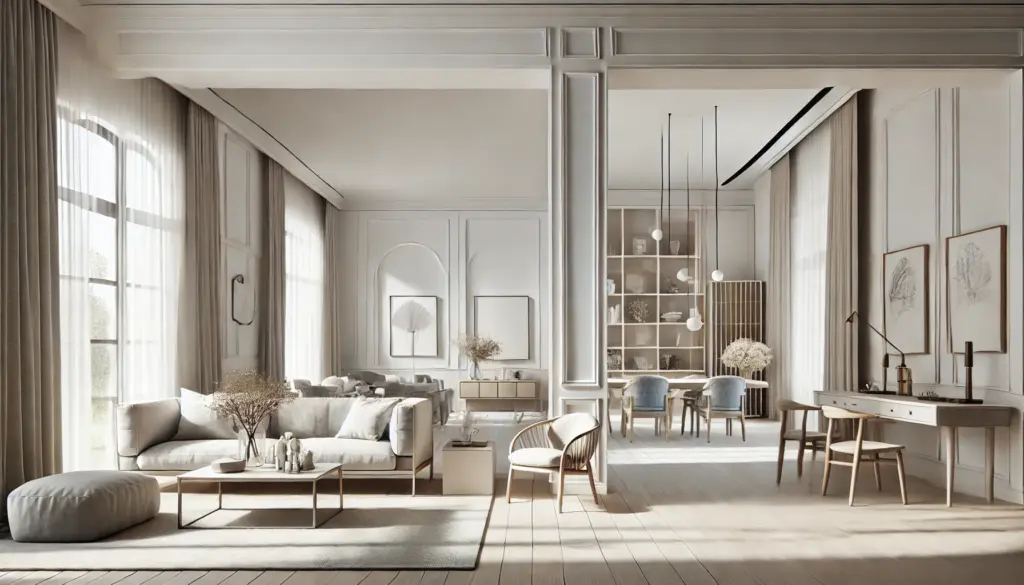
Born in the early 20th century, Modern architecture broke away from overly decorative traditions. Architects believed that “form should follow function,” giving rise to designs with clean lines, flat roofs, and wide glass windows that allow light to flood the interiors.
What makes Modern homes so appealing is their clarity. Free of clutter, these spaces feel airy and calm—an escape from today’s chaotic pace. Famous examples like the Farnsworth House by Mies van der Rohe prove that homes can be both practical and artistic. For many, Modern design is about creating a peaceful sanctuary.
2. Contemporary Architecture
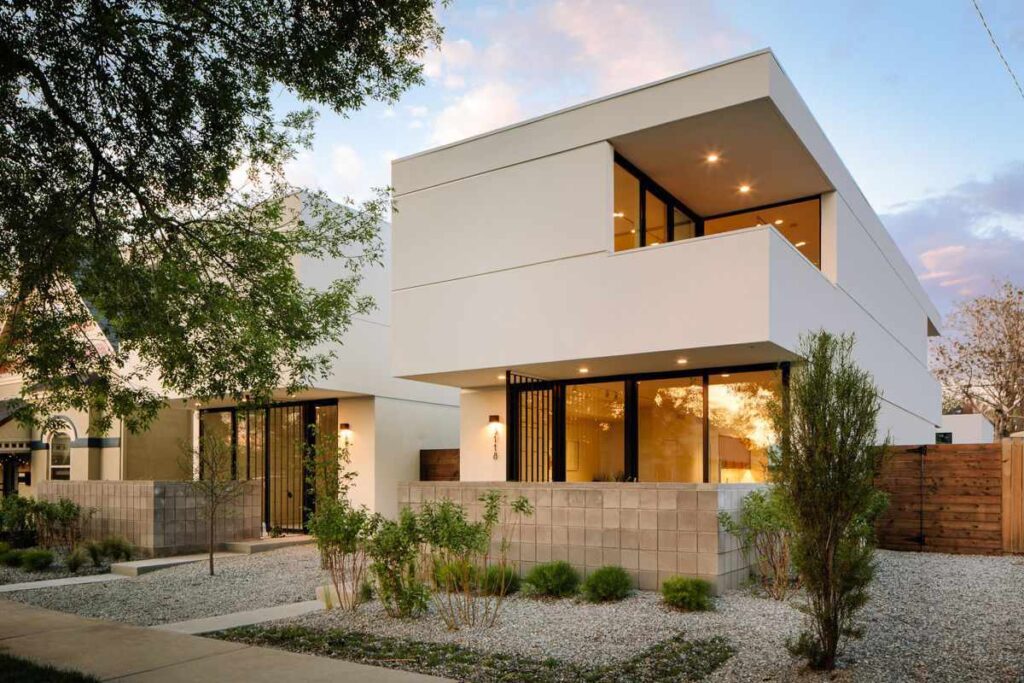
Unlike Modern, which has fixed principles, Contemporary architecture evolves with the times. It’s the “language of the present,” reflecting current values. Right now, that means eco-conscious designs, bold asymmetry, and seamless integration of smart-home technology.
Solar panels, green roofs, and recycled materials are common features, alongside innovative shapes that challenge convention. If Modern design is about order, Contemporary is about possibility—constantly shifting to match society’s priorities. This is the perfect style for anyone who wants to live in a home that feels future-ready.
3. Colonial Style
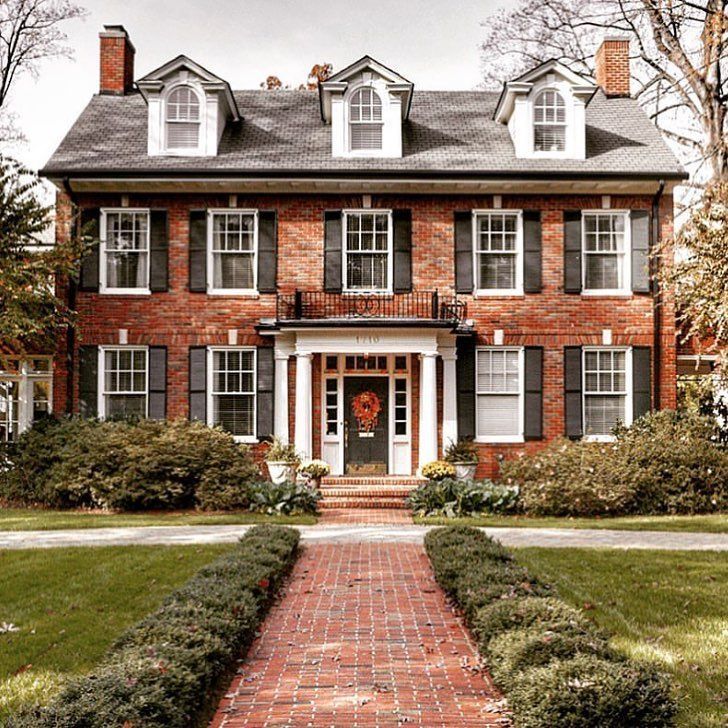
Colonial architecture traces its roots back to the 17th and 18th centuries, when European settlers brought their traditions to America. Characterized by symmetry, brick or wood facades, and central doorways framed by shuttered windows, these homes radiate tradition and warmth.
The enduring popularity of Colonial homes lies in their sense of stability. With cozy fireplaces, formal dining rooms, and wide porches, they create the perfect setting for family gatherings and timeless traditions. Choosing Colonial is like choosing comfort, heritage, and a sense of home that never fades.
4. Mediterranean Style
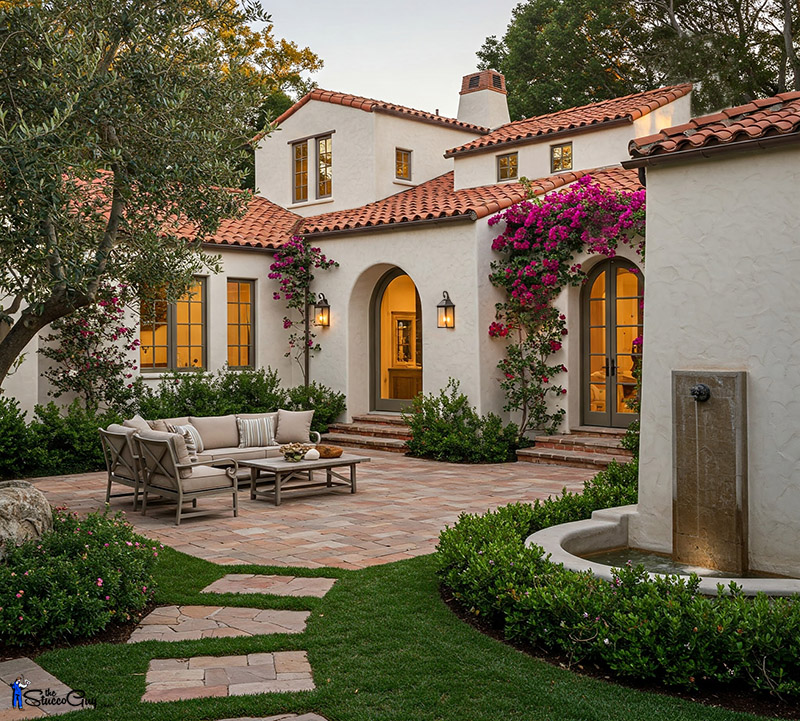
Inspired by the romantic villas of Spain, Italy, and Greece, Mediterranean architecture became fashionable in the U.S. during the 1920s and 1930s. With its red-tiled roofs, stucco walls, arched doorways, and wrought-iron balconies, the style feels sun-soaked and effortlessly elegant.
These homes are built for outdoor living—think vine-draped terraces, shaded courtyards, and fountains at the center of it all. Mediterranean design brings the feeling of a coastal retreat into everyday life, making it ideal for those who crave beauty, relaxation, and a touch of European luxury.
5. Mid-Century Modern
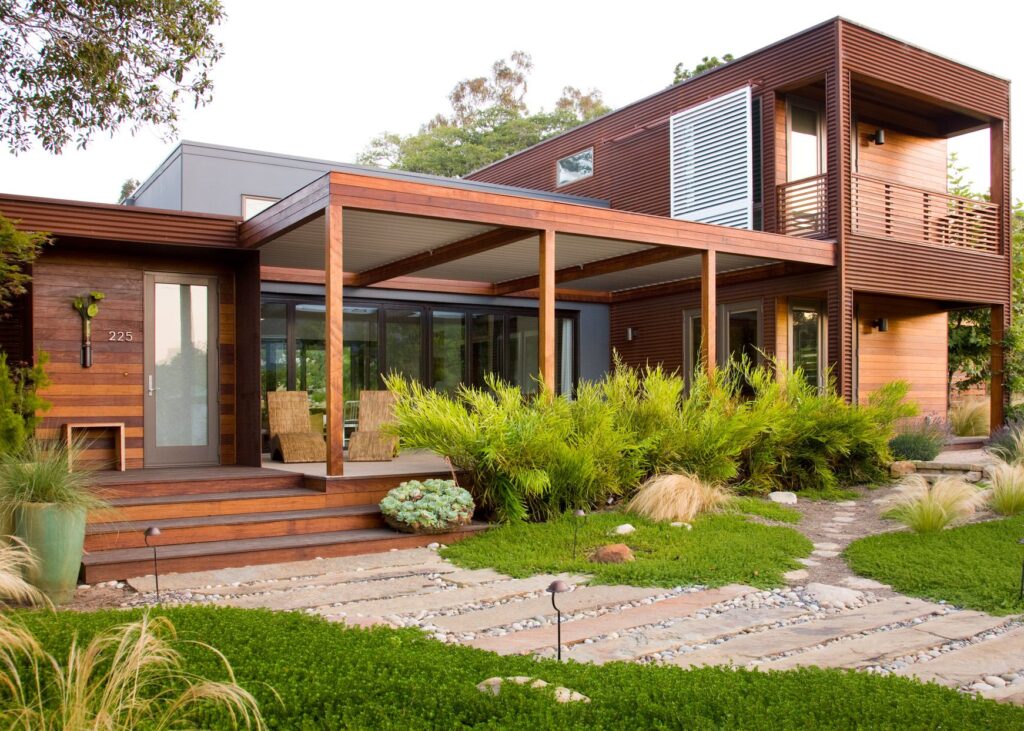
Emerging in the 1950s and 1960s, Mid-Century Modern blended innovation with simplicity. Featuring flat planes, open layouts, and glass walls that erase the boundary between indoors and outdoors, it reflected the optimism of post-war America.
Today, its timeless appeal hasn’t faded. Mid-Century homes feel retro yet modern, offering sleek design without losing comfort. Iconic furniture like the Eames lounge chair often completes the look. For anyone who loves vintage flair combined with livability, this style offers the best of both worlds.
6. Gothic Revival
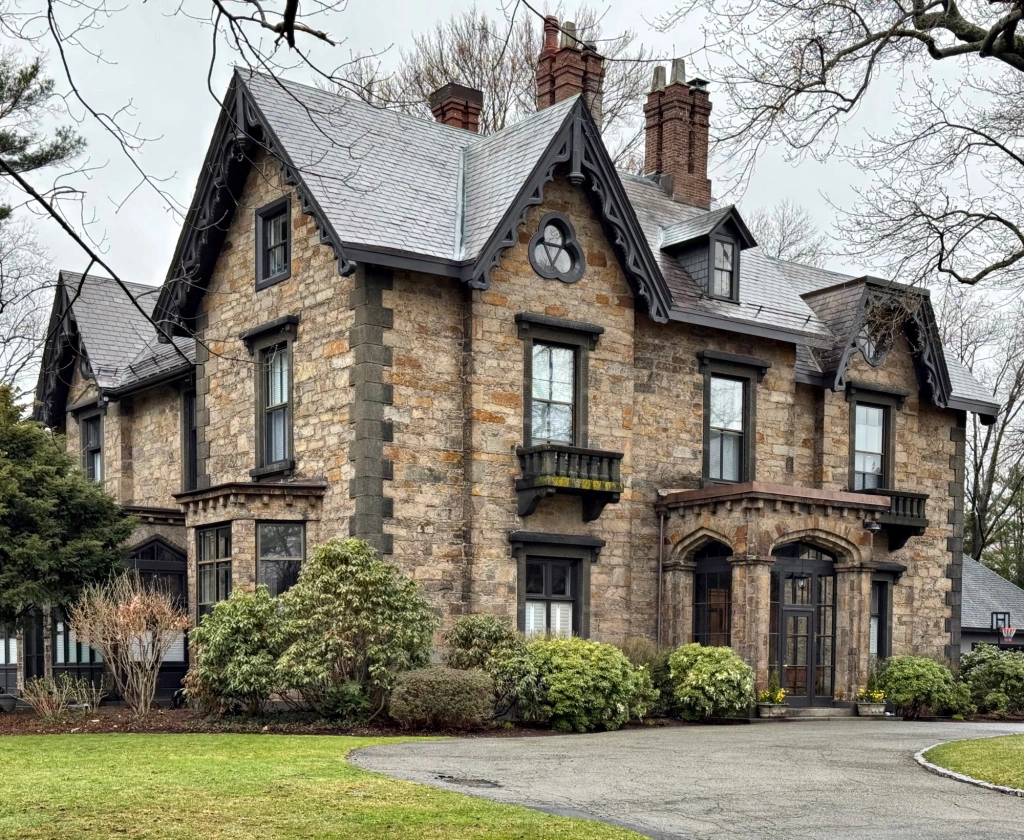
In the 19th century, architects revived the drama of medieval Europe, leading to Gothic Revival. Pointed arches, stained-glass windows, and intricate stonework gave these homes a romantic, almost mystical character.
While often linked with churches, the style also influenced private homes, turning them into storybook-like retreats. Even today, Gothic Revival appeals to dreamers and history lovers who want a home full of character and artistry. Walking through one feels like stepping into another era.
7. Industrial Style
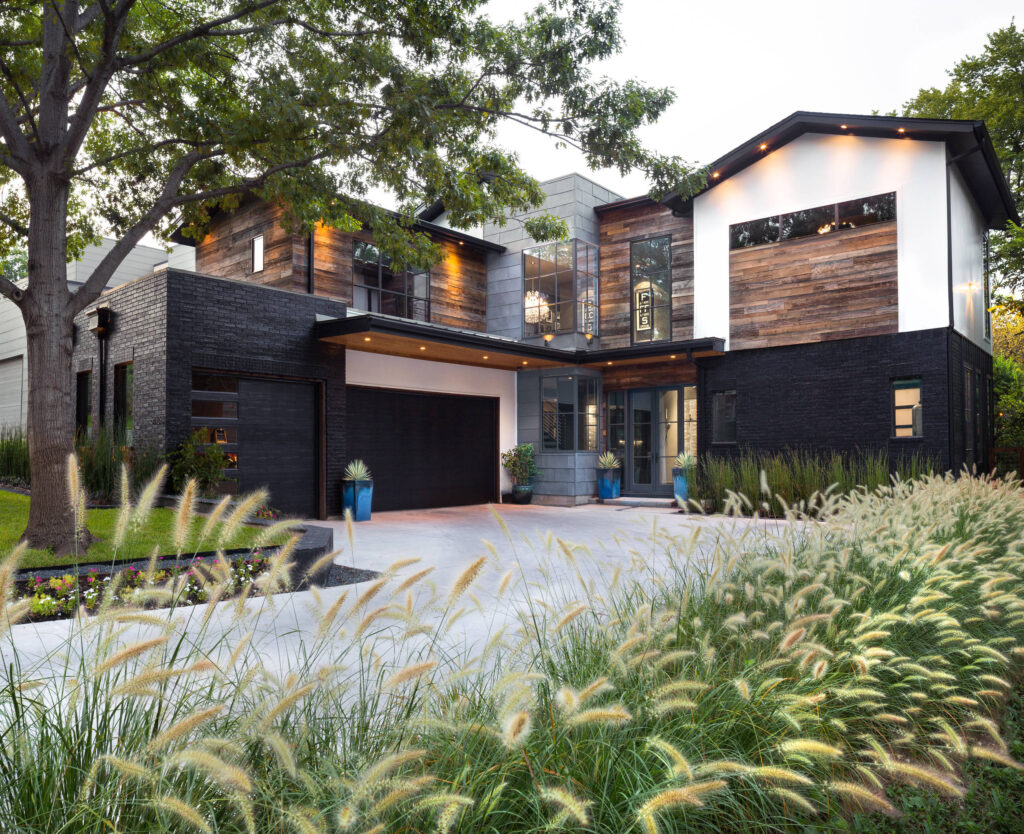
The Industrial style grew from the adaptive reuse of warehouses and factories in the 1970s. Instead of covering raw materials, this style celebrates them—exposed brick, visible beams, concrete floors, and wide steel-framed windows define the look.
The honesty of Industrial design is what makes it special. Imperfections aren’t flaws; they’re features. It’s a style that speaks to creatives and city dwellers who want authenticity, urban edge, and open, flexible spaces that feel modern yet rooted in history.
Finding Your Style
Choosing a style isn’t just about bricks and mortar—it’s about lifestyle. Modern offers calm simplicity, while Contemporary keeps you in sync with the future. Colonial celebrates tradition, Mediterranean embraces romance, and Mid-Century Modern delivers vintage charm. Gothic Revival appeals to history lovers, while Industrial speaks to urban souls. The right style becomes more than a design choice—it becomes a reflection of who you are.
Every architectural style tells a story—shaped by history, culture, and the people who live within it. From the sunlit courtyards of Mediterranean villas to the stripped-back elegance of Modern homes, these designs reveal not just how we build, but how we dream.