

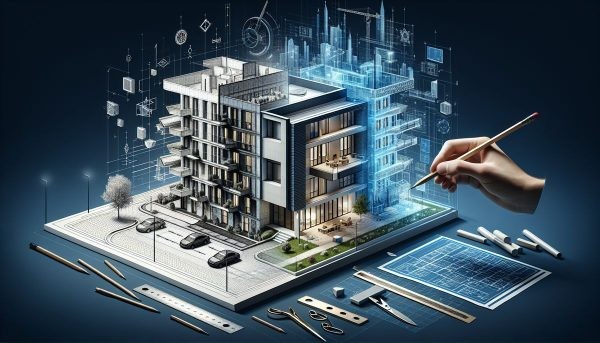
Architecture is undergoing a major transformation, and at the heart of this revolution is 3D visualization. Once used mainly for basic renderings, visualization has evolved into a powerful creative tool that redefines how we design, communicate, and experience architecture.
Today, visualization creativity brings realistic, immersive, and interactive experiences that help architects, clients, and communities see the future before it’s built. The latest CGArchitect Awards showcase how the world’s leading professionals and studios are pushing the limits of 3D, proving that visualization is not just supporting architecture—it’s revolutionizing it.
Why 3D Visualization Matters in Architecture
Visualization is no longer about flat drawings or static blueprints. With modern techniques, architects and designers can:
- Enhance Realism – Hyper-detailed textures, lifelike lighting, and accurate materials bring projects to life.
- Boost Immersion – VR and AR allow clients to step inside future buildings before construction begins.
- Streamline Workflows – Real-time rendering speeds up design revisions and collaboration.
- Improve Communication – Complex ideas are communicated clearly to stakeholders and communities.
This shift has made 3D visualization an essential tool in modern architecture.
Insights from CGArchitect’s Latest Awards
The CGArchitect Awards honor the innovators leading the visualization industry. Their work demonstrates how creativity and technology together are reshaping architecture.
1. Winner: VIZ Pro of the Year
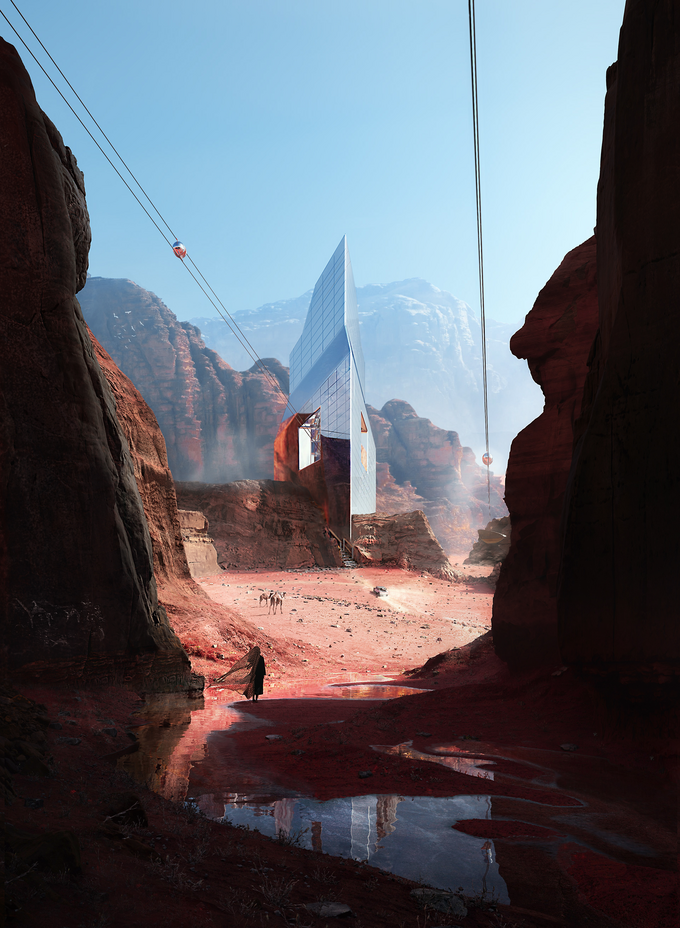
- Mohammed Ali Salih (Egypt)
A master of photorealism, Salih proves how a single artist can set new global standards in visualization.
2. Winner: Studio of the Year Professional
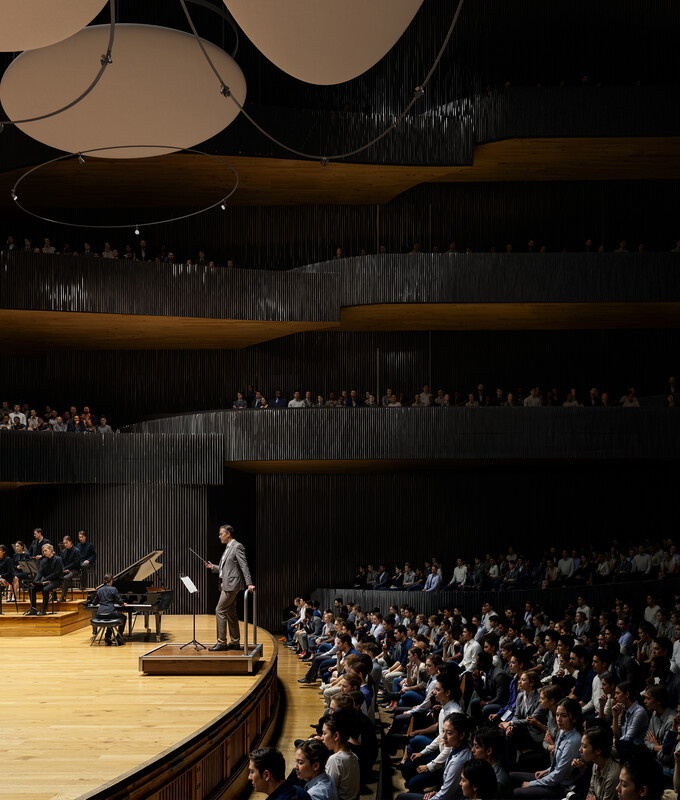
- Bric Visual (Hungary)
Renowned for blending artistry and precision, this studio sets benchmarks for professional architectural visualization.
3. Winner: Image Non-Commissioned

- Vlad Kalinovych, Bildform.at (Austria)
A striking piece of visual storytelling, showing the potential of creative exploration outside client commissions.
4. Winner: Image Commissioned
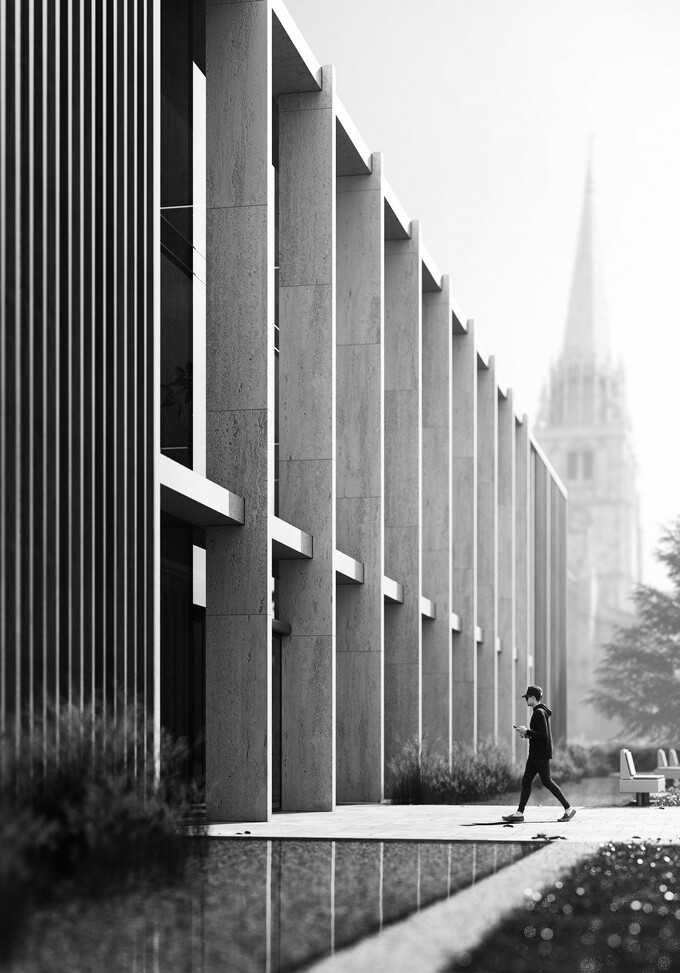
- Brick Visual (Hungary)
Their commissioned works highlight how visualization strengthens communication between architects and clients.
5. Winner: Film Commissioned
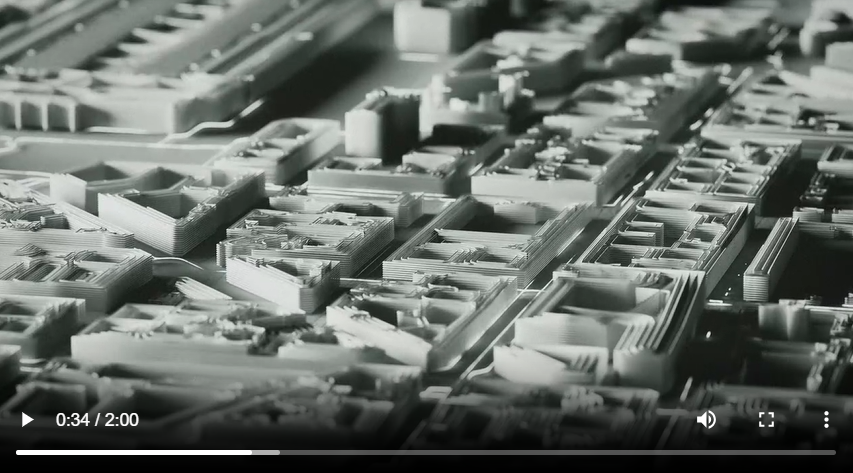
- Techma Solutions (Italy)
Cinematic architectural films are becoming a storytelling medium, turning spaces into narratives.
6. Winner: Interactive VR/AR Experience
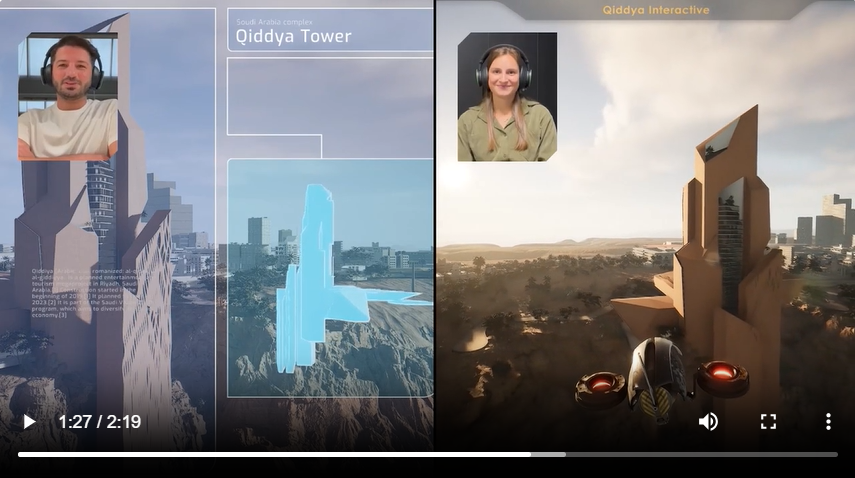
- The Rapid Eye Movement & Creative Direction (Canada)
Pioneers of immersive design, showing how VR and AR create interactive architectural experiences.
7. Nominee Highlight: SALTVISION (Belgium)
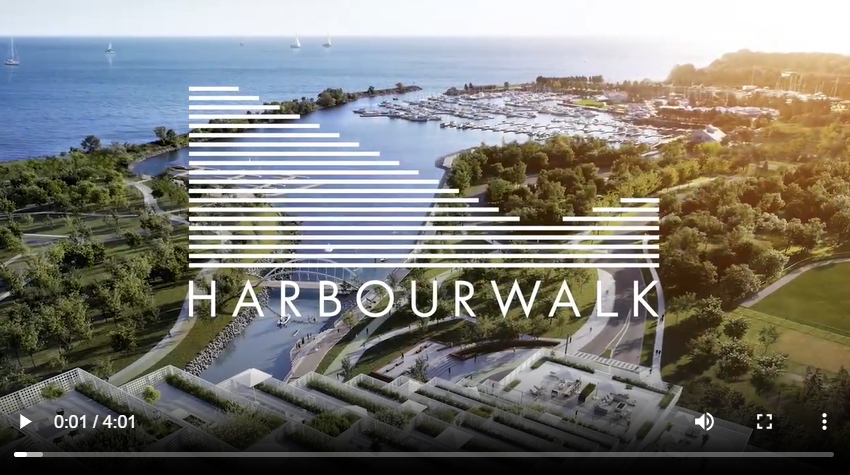
Even non-commissioned works prove how experimentation pushes the entire industry forward.
How 3D Visualization Is Revolutionizing Architecture
These award-winning works reveal the many ways visualization is transforming architecture:
- Enhancing Design Quality
Architects can test layouts, lighting, and materials virtually, reducing costly mistakes. - Streamlining Workflows
Real-time rendering and AI-assisted tools accelerate design decisions and revisions. - Improving Client Experience
Clients no longer just “see” drawings—they experience projects through immersive walk-throughs. - Expanding Creative Expression
Visualization frees architects to explore futuristic, experimental, and artistic ideas. - Supporting Sustainability
Designers can simulate energy use, materials, and environmental impacts before building.
Room-by-Room Inspiration from Modern Visualization
- Bedrooms – Minimalist and peaceful, visualizations showcase natural light and simple textures.
- Kitchens – Open-plan kitchens become social hubs with sleek finishes and smart layouts.
- Living Rooms – Large glass panels and minimalist furniture create warm yet modern spaces.
- Outdoor Spaces – Patios, rooftop gardens, and pools blur the line between home and nature.
Through visualization, architects present not just buildings, but entire lifestyles.
The Future of 3D Visualization in Architecture
Looking ahead, visualization will continue to revolutionize architecture with:
- AI-powered rendering that produces photorealistic results in seconds.
- Fully immersive VR/AR where entire communities can walk through projects before construction.
- Metaverse-ready environments for collaboration across borders.
- Data-driven visualization that integrates sustainability and performance analysis.
The line between imagination and reality grows thinner each year—thanks to the creativity behind 3D visualization.
Conclusion
The future of architecture is being written not just by blueprints, but by 3D visualization. As shown in the latest CGArchitect Awards, visualization creativity is more than a technical tool—it is a revolution that enhances design, improves workflows, and redefines how we communicate architecture.
From Egypt to Hungary, Italy to Canada, visionary artists and studios are proving that the power of visualization is transforming architecture into an experience—one that is realistic, immersive, and inspiring.