

Architecture is no longer just about creating beautiful buildings—it’s about shaping lifestyles, cities, and the environment. In the 21st century, the rules of design are being rewritten by sustainability, cutting-edge technology, and innovative thinking. From eco-friendly skyscrapers to AI-designed homes, modern architecture is evolving fast, and the future looks exciting.
In this article, we’ll explore how architecture is transforming, the technologies driving this change, and the big ideas that will shape how we live in the years to come.
Modern Architecture Today: More Than Just Style
When people think of modern architecture, they often picture clean lines, open spaces, and minimalist design. But today, modern architecture is about much more than aesthetics—it’s about functionality, sustainability, and integration with technology.
Iconic examples include:
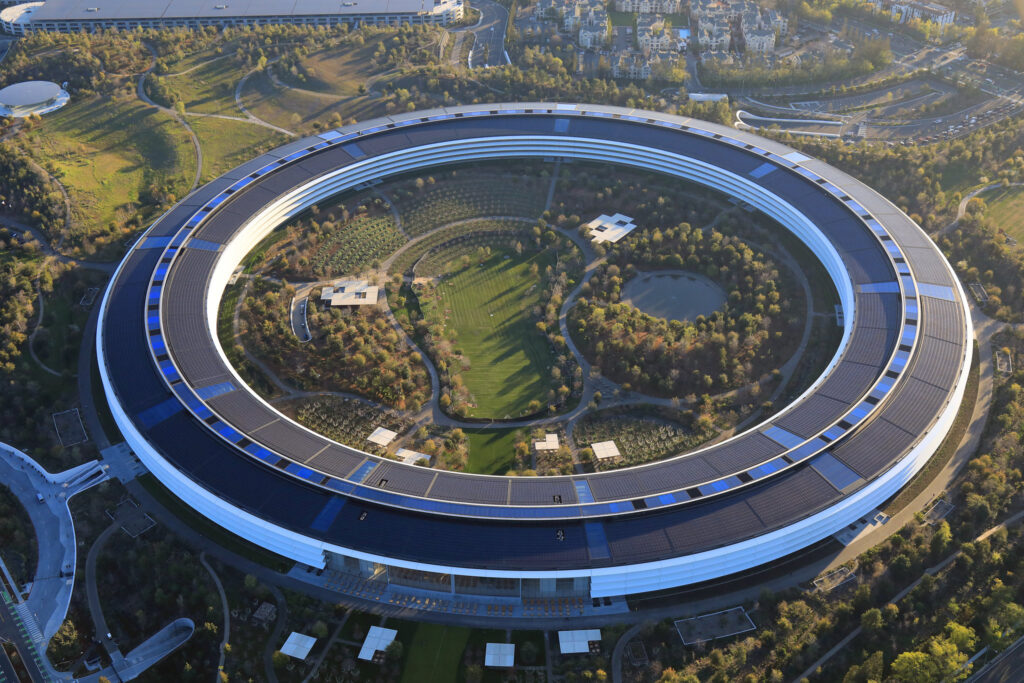
- Apple Park, California – a circular campus designed for collaboration, energy efficiency, and harmony with nature.
- The Shard, London – a skyscraper that merges modern design with urban functionality.
What sets modern architecture apart today is the focus on practical innovation, creating buildings that aren’t just beautiful, but smart, efficient, and adaptive.
Sustainability: Architecture That Respects the Planet
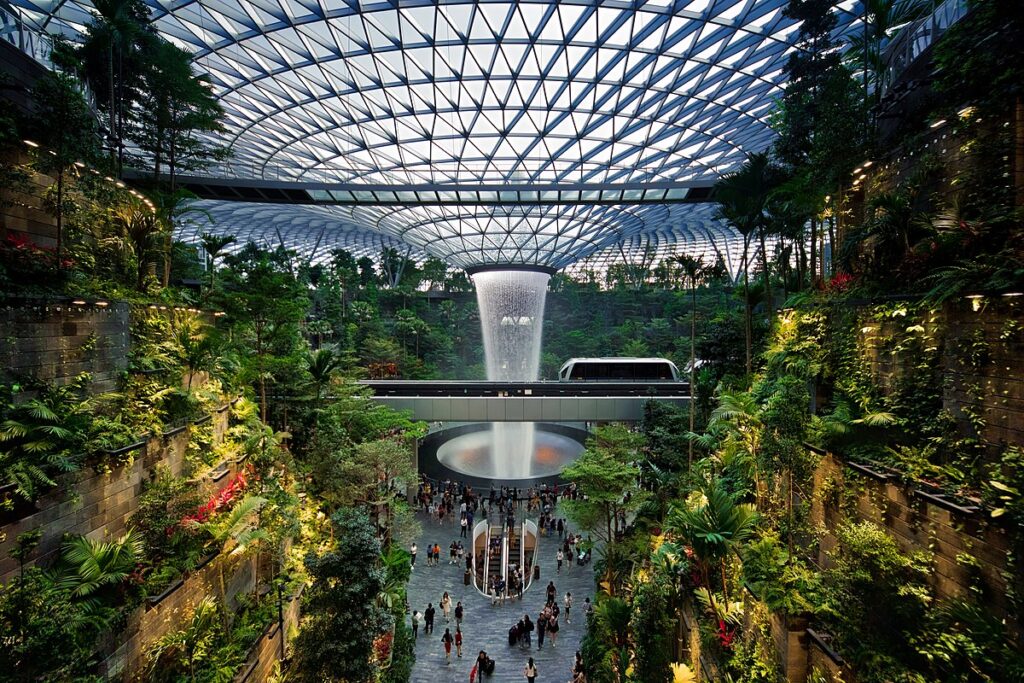
One of the most important trends today is sustainable architecture. As climate change pressures grow, architects are using design to reduce environmental impact and promote healthy living.
Key strategies include:
- Green building certifications: LEED, BREEAM, and WELL are becoming global standards.
- Eco-friendly materials: bamboo, recycled steel, low-carbon concrete.
- Energy efficiency: passive solar design, natural ventilation, green roofs, and rainwater harvesting.
For instance, the Bosco Verticale in Milan incorporates living trees into a high-rise building, improving air quality while creating a stunning visual impact. Sustainable architecture is not just trendy—it’s essential.
Technology Transforming Design
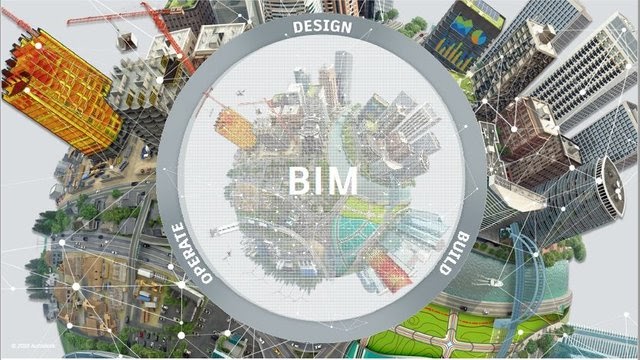
Technology has completely changed how architects work. Tools like Building Information Modeling (BIM) allow designers to create precise, digital models that simulate construction, energy use, and even maintenance needs.
Other exciting innovations include:
- Digital twins – virtual replicas of buildings that monitor real-time performance.
- AI-assisted design – generating creative solutions faster than ever.
- VR & AR – letting clients “walk through” buildings before construction begins.
These technologies not only improve design quality but also save time, reduce costs, and enhance communication between architects, clients, and contractors.
Smart Cities: Architecture Beyond Buildings
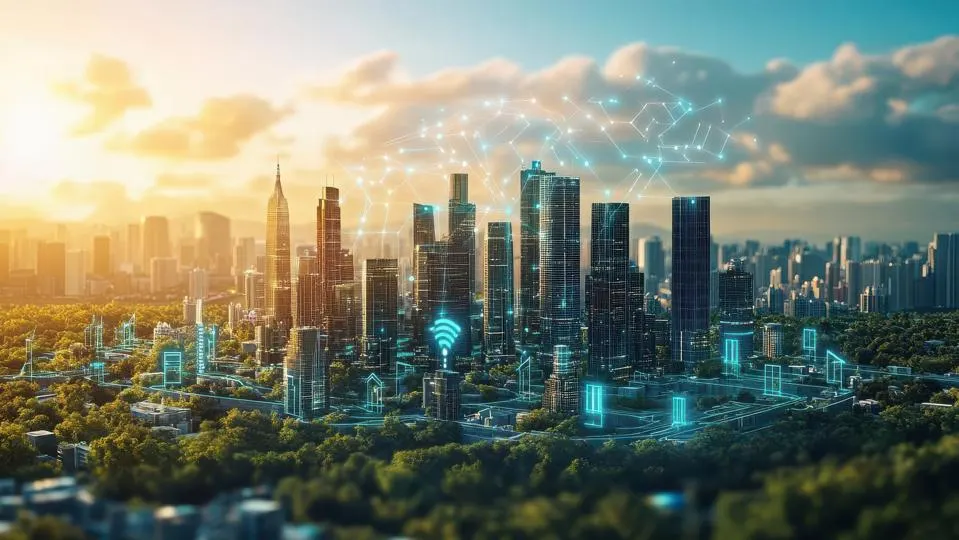
Modern architecture isn’t just about individual structures—it’s also about how buildings interact with cities. Smart cities integrate architecture with technology to improve urban life.
Examples:
- Singapore – connected infrastructure and green urban planning.
- Copenhagen – pedestrian-friendly, sustainable urban design.
- Masdar City, UAE – a zero-carbon, car-free city using solar energy and IoT infrastructure.
Smart cities show that architecture can enhance quality of life while addressing environmental and social challenges.
Flexible and Adaptive Spaces
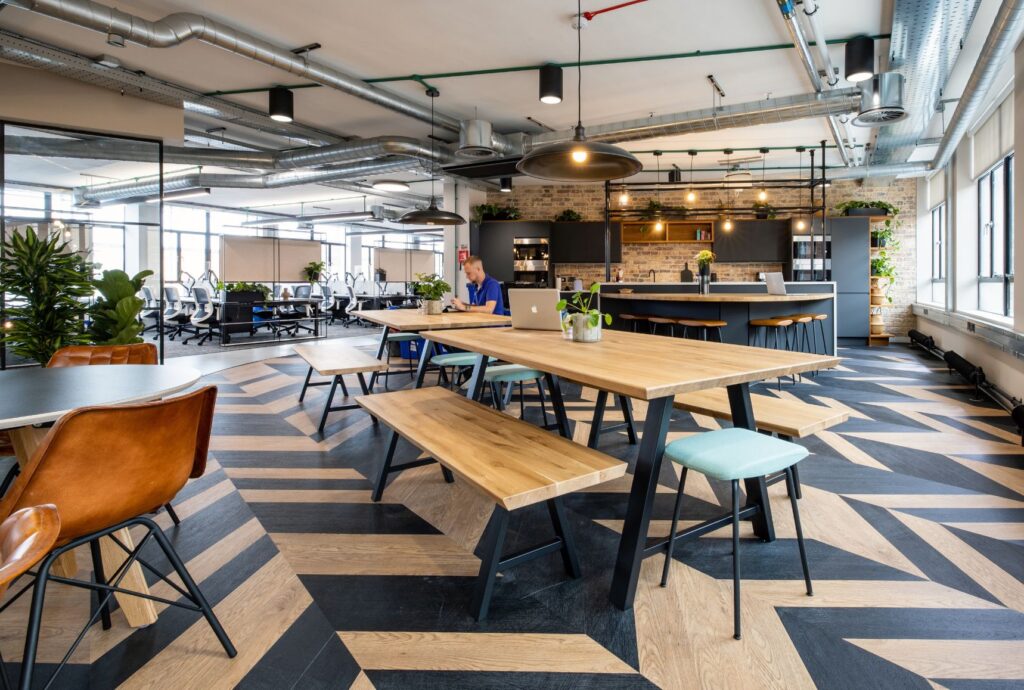
Post-pandemic lifestyles have changed the way we use buildings. Architects are now designing flexible, multifunctional spaces that adapt to modern needs:
- Homes that double as workspaces.
- Offices prioritizing wellness and collaboration.
- Modular and prefabricated buildings for faster, sustainable construction.
This adaptability makes modern architecture more practical, resilient, and human-centered.
Trends to Watch in Modern Architecture
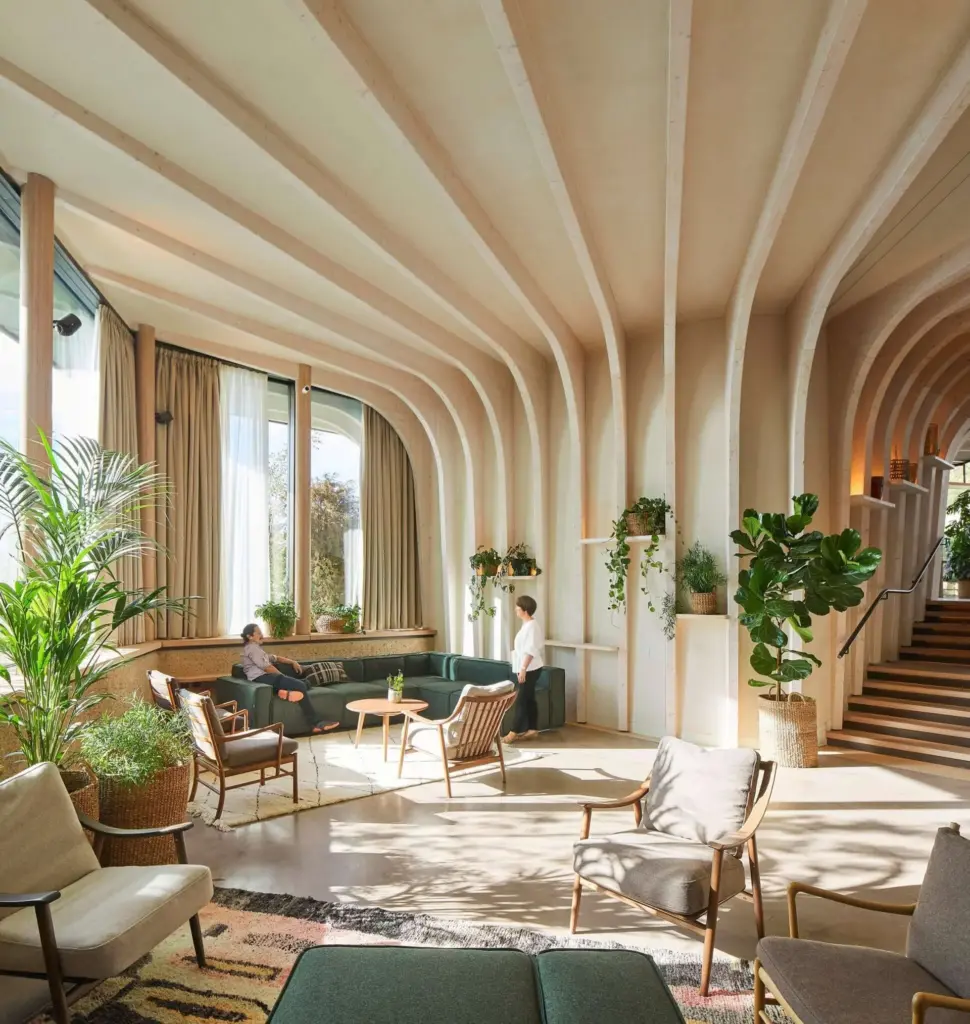
Some emerging trends that are shaping the field include:
- Biophilic design – incorporating nature to enhance mental health and wellbeing.
- Parametric design – using algorithms to create complex, organic structures.
- 3D-printed buildings – reducing waste and construction costs.
- Affordable housing innovations – designing smart solutions for urban populations.
These trends show that architecture is not only about style but also about solving real-world problems.
Modern architecture is evolving at a rapid pace, blending sustainability, technology, and innovative design to create buildings that are not just beautiful, but smarter, greener, and more adaptive.
The architects of today are designing spaces that inspire, protect the environment, and improve urban life. From eco-friendly skyscrapers to smart homes, the future of architecture promises creativity, efficiency, and a better quality of life for everyone.
The world of architecture isn’t just about buildings anymore—it’s about reshaping the way we live, work, and connect with our planet.